Unlock Year-Round Flavor: Your Quick Guide to Oven Drying Basil
There's nothing quite like the vibrant aroma and fresh taste of basil to elevate a culinary creation. Whether you're growing it in your garden, nurturing a pot on your windowsill, or stocking up from the market, fresh basil is a summer delight that, unfortunately, has a notoriously short shelf life. But what if you could capture that delightful essence and enjoy it all year long? The good news is, you can! Learning how to dry basil in the oven is a straightforward, efficient, and highly rewarding method to preserve this beloved herb, ensuring its bright flavors are always at your fingertips.
Oven drying transforms fresh basil leaves into a concentrated, aromatic ingredient perfect for everything from pasta sauces and pizzas to stews and marinades. It's a simple process that requires minimal tools and a keen eye on temperature and time, helping you retain as much of the basil's unique flavor and nutritional integrity as possible. Say goodbye to wasted wilted leaves and hello to a continuous supply of homemade dried basil, ready to infuse your dishes with Mediterranean magic.
Essential Preparation for Perfect Basil Preservation
The journey to perfectly dried basil begins long before the oven even preheats. The quality of your starting material significantly impacts the final product, so dedicating time to proper preparation is crucial. This foundational step ensures your dried basil will be packed with the most flavor and maintain its beautiful green color.
Harvesting and Selecting the Best Leaves
- Timing is Key: For optimal flavor and aromatic oil content, harvest your fresh basil leaves in the morning, ideally after the dew has evaporated but before the intense midday sun warms them. This is when the leaves are at their most vibrant and flavorful.
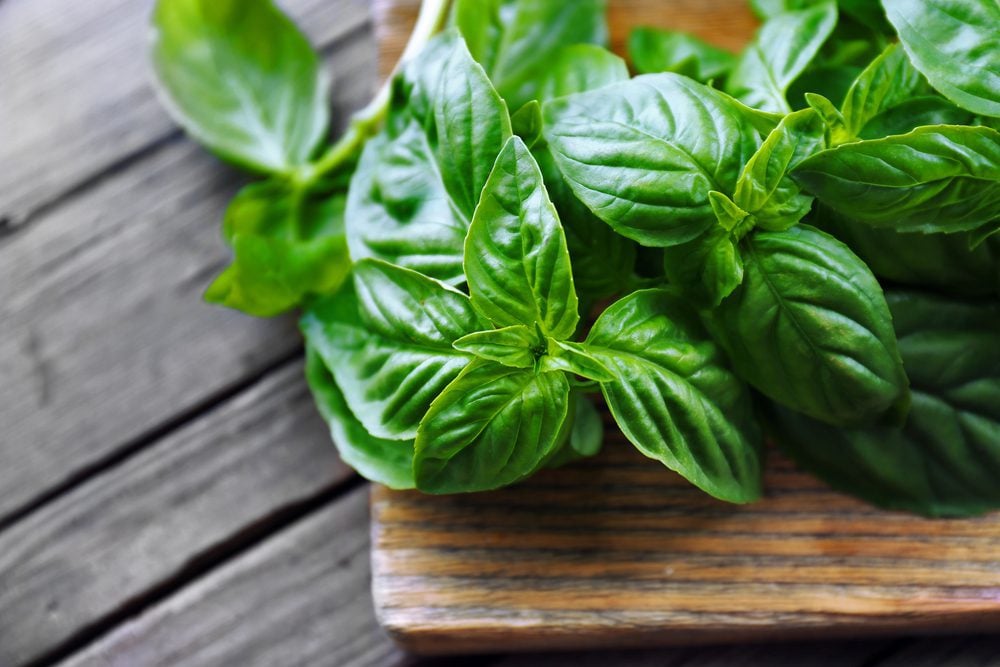
- Choose Wisely: Select leaves that are a rich, vibrant green color, free from any signs of wilting, yellowing, or discoloration. Avoid any leaves with holes, tears, insect damage, or blemishes, as these can affect the quality and shelf life of your dried herb.
Cleaning and Drying the Leaves Thoroughly
Once harvested, your basil leaves need a gentle but thorough cleaning to remove any dirt, dust, or potential garden critters. This step is non-negotiable for food safety and the purity of your dried basil.
- Initial Debris Removal: Lay your harvested basil leaves on a clean, dry surface, such as a kitchen counter or a cutting board. Gently inspect each leaf and use your fingers or a soft brush to remove any visible debris, soil particles, or small insects.
- Gentle Washing: Fill a large bowl or a clean sink with cool water. Submerge the basil leaves, gently swishing them around with your hands. This motion helps to dislodge any remaining dirt without bruising the delicate leaves. If the water becomes cloudy, drain it and repeat the process until the water remains clear.
- Crucial Drying: This is arguably the most vital step before oven drying. Excess moisture on the leaves will cause them to steam or cook rather than dry, leading to a less flavorful, potentially moldy end product. Choose one of these effective methods:
- Paper Towels: Lay the washed basil leaves in a single layer on clean paper towels. Gently pat the tops with another layer of paper towels until they are thoroughly dry. Be careful not to crush or bruise the leaves.
- Clean Kitchen Towels: Spread the basil leaves on a clean, lint-free kitchen towel. You can gently roll the towel up, applying light pressure to absorb moisture, then unroll and let them air dry for a few minutes.
- Salad Spinner: For larger batches, a salad spinner is an efficient tool. Place the clean basil leaves in the spinner and gently but thoroughly spin them until most of the water has been removed.
Ensuring your basil leaves are completely dry to the touch before they enter the oven is a critical factor in achieving crispy, flavorful dried basil.
Mastering the Oven Drying Process: Temperature & Time
With your basil leaves meticulously prepped and perfectly dry, you're ready for the main event: oven drying. This method is celebrated for its speed and effectiveness, but careful attention to your oven's settings is paramount to success. For a deeper dive into optimizing your oven's settings to keep basil's flavor and nutrients intact, explore our guide on Optimal Oven Drying: Keep Basil's Flavor and Nutrients.
Setting Up Your Oven for Success
- Gather Your Tools: You'll need a baking sheet (or multiple, depending on your basil quantity) and parchment paper. Parchment paper is essential as it prevents sticking and allows for easier cleanup.
- Preheat to the Lowest Setting: This is a golden rule for drying herbs. Preheat your oven to its absolute lowest temperature setting, which is typically between 140°F and 170°F (60°C to 77°C). The goal is to dehydrate the leaves slowly, not to cook or roast them. High heat will destroy their delicate flavor, color, and beneficial compounds.
The Drying Technique, Step-by-Step
Once your oven is preheated and your basil is ready, the drying process is quite straightforward:
- Arrange the Basil: Lay the completely dry basil leaves in a single layer on the parchment-lined baking sheet(s). It's crucial that the leaves do not overlap. Overlapping leaves will trap moisture, leading to uneven drying and potential spoilage. Ensure there's good airflow around each leaf.
- Into the Oven: Place the baking sheet(s) in the preheated oven.
- Ventilation is Key: Leave your oven door slightly ajar. You can often achieve this by placing a wooden spoon or a heat-proof utensil in the oven door to prop it open. This small gap allows moisture (steam) to escape, preventing the basil from steaming and promoting proper dehydration. Without this ventilation, the air inside the oven would become saturated with humidity, hindering the drying process.
- Monitor and Flip: The drying time can vary significantly depending on your oven, the humidity in your kitchen, and the thickness of your basil leaves. It typically ranges from 1.5 to 4 hours.
- Check your basil every 30 minutes to an hour.
- Gently turn or flip the leaves halfway through the drying process to ensure even drying on both sides.
- The basil is properly dried when the leaves are brittle, crumbly to the touch, and snap easily. They should have lost all moisture and feel crisp, but still retain a vibrant green hue. If they feel leathery or pliable, they need more time.
- Cool Completely: Once the basil is perfectly dry, remove the baking sheet from the oven and allow the leaves to cool completely on the tray. This step is important as residual heat can cause condensation if packed too soon, and cooling allows the leaves to become fully crisp.
Storing Your Oven-Dried Basil for Longevity
Congratulations! You've successfully oven-dried your basil. Now, to preserve its freshness and flavor for months to come, proper storage is essential. If you're looking for a comprehensive overview of how to achieve perfect dried basil all year round, check out our article How to Oven Dry Basil: Preserve Freshness All Year.
- Crushing (Optional): Once cooled, you can gently crush the brittle leaves between your fingers to your desired consistency, or leave them whole. Crushing them makes them easier to store and use, but waiting to crush them until just before use can sometimes help retain more flavor.
- Airtight Containers: Transfer the dried basil into airtight jars, containers, or resealable bags. Glass jars with tight-fitting lids are ideal.
- Cool, Dark Place: Store your containers in a cool, dark, and dry pantry or cupboard, away from direct sunlight, heat, and humidity. These elements can degrade the basil's flavor and color over time.
- Shelf Life: Properly stored oven-dried basil can last for 6 months to a year, or even longer. While it won't spoil, its flavor and aroma will gradually diminish over time. For best results, aim to use it within 6-12 months.
- Label and Date: Always label your containers with the herb's name and the date it was dried. This helps you keep track of its freshness.
Expert Tips for Success and Troubleshooting
- Don't Rush It: Patience is a virtue when drying herbs. Lower temperatures for longer periods yield superior results in terms of flavor and color retention compared to higher temperatures for shorter times.
- Avoid Overloading: Resisting the urge to pile too many leaves on a single tray is crucial. Good air circulation is paramount for even and effective drying. If you have a large batch, dry them in multiple rounds.
- Check for Dryness: Before storing, always double-check that your basil is bone-dry. Any residual moisture can lead to mold, ruining your entire batch. If in doubt, put them back in the oven for a little longer.
- Consider Your Oven: Every oven is different. Some run hotter or cooler than their display indicates. Using an oven thermometer can help you accurately monitor the temperature, especially at very low settings.
- Listen to Your Nose: Freshly dried basil should smell wonderfully aromatic, like concentrated basil. If it smells burnt, or has an off-odor, something went wrong.
- Alternative Method: While oven drying is quick, a food dehydrator is another excellent option for drying herbs, as it offers precise temperature control and consistent airflow. However, the oven method is perfect for those without a dedicated dehydrator.
Conclusion
Preserving the bounty of your basil harvest doesn't have to be complicated. By mastering how to dry basil in the oven, you unlock a world of year-round flavor, ensuring that the aromatic essence of this beloved herb is always within reach. From careful harvesting and thorough cleaning to precise temperature control and proper storage, each step plays a vital role in creating a pantry staple that will enhance countless meals. Embrace this simple yet rewarding kitchen skill, and enjoy the taste of summer basil no matter the season.
