How to Oven Dry Basil: Preserve Freshness All Year
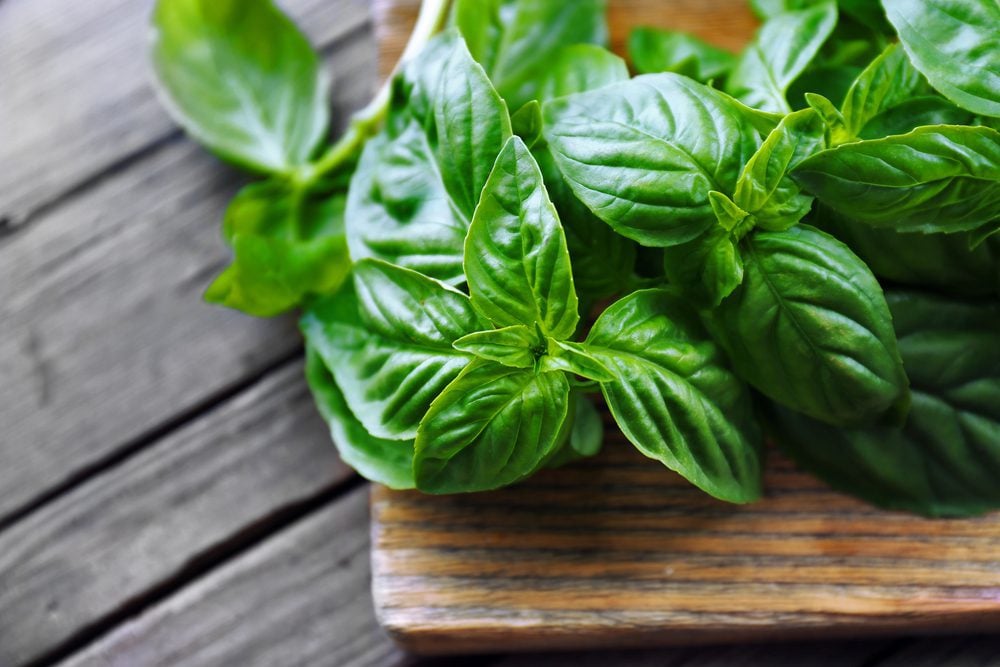
There's nothing quite like the vibrant, aromatic embrace of fresh basil. Its sweet, peppery notes elevate countless dishes, from a simple Caprese salad to a hearty marinara. However, fresh basil is notoriously fleeting, often wilting and losing its potency mere days after purchase or harvest. But what if you could capture that delightful essence and enjoy it all year long? Enter the art of oven-drying basil – a surprisingly simple yet incredibly effective method to preserve this culinary treasure.
Learning how to dry basil in the oven is a game-changer for any home cook. This technique not only extends the shelf life of your favorite herb but also ensures you have a readily available supply of its distinctive flavor for all your culinary adventures. Forget expensive store-bought dried basil; with a little effort, you can enjoy superior quality, home-dried basil that retains more of its original taste and aroma.
Why Oven Drying is an Excellent Choice for Basil
While various methods exist for preserving herbs, oven-drying offers a unique blend of speed, convenience, and effectiveness, making it an ideal choice for basil. Unlike air-drying, which can take days and is dependent on environmental humidity, oven-drying significantly cuts down the waiting time. Compared to a dehydrator, which is a dedicated appliance, your oven is likely already a staple in your kitchen, requiring no extra equipment investment.
The gentle, controlled heat of an oven, when used correctly, effectively removes moisture from the basil leaves without cooking them or scorching their delicate flavors. This allows the herb to retain much of its natural color, aroma, and essential oils, resulting in a dried product far superior to many commercial alternatives. It's a quick, accessible, and efficient way to transform a perishable bounty into a long-lasting pantry staple.
Essential Preparation: Getting Your Basil Oven-Ready
The success of your dried basil hinges significantly on the quality of your starting material and meticulous preparation. Skimping on these initial steps can lead to discolored, flavorless, or even moldy dried herbs.
Harvesting and Choosing the Best Leaves
- Timing is Everything: For optimal flavor and aromatic oil concentration, harvest fresh basil leaves in the morning, after the dew has evaporated but before the intense midday sun has warmed them.
- Quality Control: Select leaves that are vibrant green, plump, and free from any signs of wilting, discoloration, holes, or insect damage. Healthy leaves yield the best-dried product. Avoid any leaves showing black spots, as these can be signs of disease.
Cleaning and Drying the Leaves Thoroughly
Once harvested, your basil needs a thorough but gentle cleaning:
- Gentle Debris Removal: Lay your basil on a clean surface. Gently pick off any visible dirt, small insects, or stray debris.
- Washing: Fill a large bowl or clean sink with cool water. Submerge the basil leaves and gently swish them around. This helps dislodge any clinging dirt or unseen contaminants. Drain the water and repeat if necessary until the water remains clear.
- Crucial Drying Step: This is perhaps the most critical preparation phase. Excess moisture on the leaves before going into the oven can lead to steaming instead of drying, potentially resulting in browned, flavorless basil or even mold during storage. Choose one of these effective methods:
- Salad Spinner: For efficiency, place the washed basil in a salad spinner and spin until most of the water is removed. This is often the fastest and most effective way.
- Paper Towels: Lay the leaves in a single layer on clean paper towels, then gently pat them dry with another layer of paper towels. Be gentle to avoid bruising.
- Clean Kitchen Towels: Spread the basil on a clean, dry kitchen towel. You can then gently roll the towel up, applying light pressure, or simply leave the leaves to air dry on the towel for 30 minutes to an hour until completely dry to the touch.
Ensure your basil leaves are absolutely dry before proceeding to the oven. This diligent preparation sets the stage for perfectly dried, flavorful basil.
Step-by-Step Guide: How to Dry Basil in the Oven
With your basil impeccably clean and dry, you're ready for the main event. This process is straightforward, but attention to temperature and timing is vital to achieve that perfect crispness without burning.
- Preheat Your Oven to the Lowest Setting: Most ovens have a "warm" setting or can go as low as 140-170°F (60-77°C). This low heat is crucial for gently dehydrating the basil rather than cooking it. High temperatures will cause the basil to turn black and lose its flavor.
- Prepare Your Baking Sheet: Line a large baking sheet or an oven-safe tray with parchment paper. This prevents the basil from sticking and makes cleanup easier.
- Arrange the Basil: Spread the dried basil leaves in a single, even layer on the parchment-lined baking sheet. It's important that the leaves do not overlap. Overlapping leaves will trap moisture and dry unevenly. If you have a large batch, use multiple baking sheets.
- Place in the Oven with the Door Ajar: Position the baking sheet in the preheated oven. Crucially, leave the oven door slightly ajar by an inch or two. This allows moisture to escape from the oven, preventing the basil from steaming and promoting proper drying. You can use a wooden spoon or a heat-safe oven mitt to prop the door open.
- Drying Time and Monitoring: The drying process typically takes between 1.5 to 4 hours, depending on your oven's exact temperature, the basil's moisture content, and the humidity in your kitchen.
- Check the basil every 30-45 minutes. Gently flip the leaves occasionally to ensure even drying.
- The basil is done when the leaves are brittle and crumble easily between your fingers. They should still retain a greenish color, though it will be a darker shade than fresh basil. If they feel soft or bendy, they need more time. If they're turning black, your oven might be too hot or they've been in too long. For a more detailed look into this, check out our article on Optimal Oven Drying: Keep Basil's Flavor and Nutrients.
- Cool Completely: Once the basil is perfectly dry, remove the baking sheet from the oven and let the leaves cool completely to room temperature. This final cooling step is important for achieving maximum crispness and preventing condensation during storage.
For a quick reference on temperatures and times, our Quick Guide to Oven Drying Basil: Prep, Temp, & Time provides a handy overview.
Storing and Using Your Perfectly Dried Basil
Congratulations! You've successfully oven-dried your basil. Proper storage is key to maintaining its flavor and aroma for months to come.
Storage Techniques
- Crumble or Keep Whole: Once cooled, you can gently crumble the dried basil leaves by hand into smaller pieces, or even process them briefly in a food processor for a finer powder. Store them whole if you prefer, then crumble them just before use. Crushing them after drying helps preserve more of their volatile oils.
- Airtight Containers: Transfer the dried basil into airtight containers, such as glass jars with tight-fitting lids. This prevents moisture and air from degrading the herb.
- Cool, Dark Place: Store the containers in a cool, dark pantry or cupboard, away from direct sunlight and heat. Light and heat can cause the basil to lose its color and flavor over time.
- Shelf Life: Stored correctly, oven-dried basil can last for 6-12 months, though its potency will gradually diminish after six months.
Culinary Applications
Dried basil is incredibly versatile. While it won't have the exact brightness of fresh basil, it provides a deeper, more concentrated flavor that shines in cooked dishes.
- Soups and Stews: Add dried basil to tomato sauces, minestrone, or lentil stews.
- Marinades and Rubs: Incorporate it into spice blends for chicken, fish, or vegetables.
- Pasta Dishes: Sprinkle it into pasta sauces, lasagna, or baked ziti.
- Homemade Seasoning Blends: Combine with other dried herbs like oregano, thyme, and rosemary for an Italian seasoning mix.
- Breads and Pizzas: Mix into doughs or sprinkle over pizzas before baking.
Remember that dried herbs are more potent than fresh herbs, so use about one-third of the amount called for in recipes that specify fresh basil.
Tips for Success and Troubleshooting
- Don't Rush the Drying: Patience is a virtue when oven-drying herbs. Lower temperatures for longer periods yield better results than high heat for a short time.
- Even Thickness: Try to select basil leaves of similar thickness for a batch to ensure they dry at a consistent rate.
- Humidity Matters: If you live in a very humid environment, the drying process might take longer. Consider a less humid day if possible.
- Avoid Overloading: Do not overcrowd your baking sheets. Good air circulation is essential for efficient drying.
- Troubleshooting Discoloration: If your basil turns black, it means the oven temperature was too high or the leaves were not thoroughly dried before entering the oven. Adjust your temperature and prep next time. If it's brown but not black, it might just be slightly overdone or you used basil that wasn't at its peak freshness.
- Moldy Basil: This is a sign of insufficient drying or improper storage. Ensure leaves are completely dry and stored in airtight containers.
Conclusion
Preserving the bounty of your garden or a good market find doesn't have to be complicated. Mastering how to dry basil in the oven is a simple, rewarding skill that ensures the delightful flavor of fresh basil is never far from your kitchen. By following these easy steps, you can enjoy the robust taste of this versatile herb in all your favorite dishes, all year round. So go ahead, grab some fresh basil, and embark on your herb-preserving journey!
